

Group Therapy
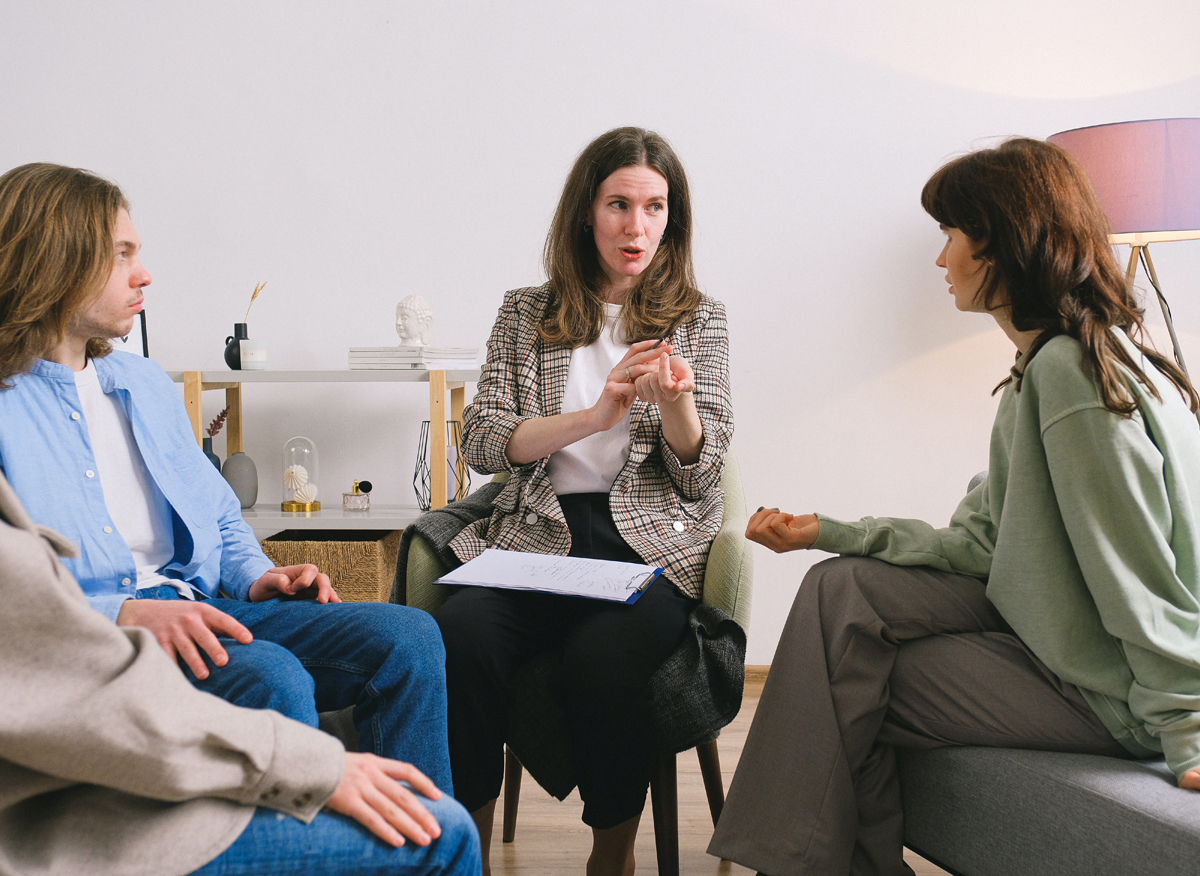
A group therapy session is different from individual therapy in many ways. They are more cost-effective, allow people to share their experience with others, and it’s easier to get feedback from the therapist. It also increases confidence of people who are shy.
COPE staff periodically offers group therapy options besides those offered through IMPROVE. Groups include topics based on Acceptance and Commitment Therapy, Dialectical Behavior Therapy, as well as process groups. For information regarding group availability, please contact COPE staff.
There are two types of group therapy sessions – closed and open. Closed groups have a maximum number of members while open groups have an unlimited number of members. The benefits vary based on the type of group therapy one chooses.
DBT Skills Group
COPE offers a weekly virtual DBT Skills group that covers 16 core skill topics. The overall goal of the group is to help patients learn ways of better managing emotions, changing behavior, fostering healthier relationships, and better balancing acceptance and change. To do this, skills will be taught in four primary areas:
1. Mindfulness
2. Interpersonal Effectiveness
3. Emotion Regulation
4. Distress Tolerance
This group along with all groups offered at COPE are interactive and not just didactic. We encourage participation and cohesion to help facilitate community, safety, and vulnerability within the group all while learning skills.
As part of the group, you will be given a workbook of materials that has skills and worksheets relevant to that week’s topic.
For more information on this group and how this group may be a good fit for your needs, please contact us for a free consultation.

CBT Skills Group for Relapse Prevention

COPE offers a weekly virtual CBT Skills group for relapse prevention and addiction recovery that covers approximately 16 weeks of skills and topics. The overall goal of the group is to help patients learn ways of identifying triggers, managing cravings and urges, and ultimately changing behavior. To do this, skills will be taught in multiple areas (but not limited to):
1. Motivational Enhancement
2. Identifying and Managing Triggers, Thoughts, and Cravings
3. Mindfulness
4. Taking Change-Focused Action
This group is ideal for individuals who are interested in exploring their substance use and may not be interested, ready, or even appropriate for a higher level of care. This group is also useful for individuals who have met their substance use goals and are interested in ongoing maintenance support following rehab, IOP, or other outpatient treatment.
As part of the group, you will be given a workbook of materials that has skills and worksheets relevant to that week’s topic.
For more information on this group and how this group may be a good fit for your needs, please contact us for a free consultation.
FAQ
What Kinds of Group Therapy Options Are Offered?
Group therapy options may include skills-based groups such as DBT skills groups, CBT relapse prevention groups, and other focused groups designed to support emotional regulation, recovery, or coping with specific concerns. Groups are structured around shared goals and are facilitated by trained clinicians to create a safe, supportive environment.
How Does Group Therapy Help With Emotional or Behavioral Support?
Group therapy provides support through shared experience. Hearing others describe similar struggles can reduce isolation and normalize challenges. Group settings also allow participants to practice skills, receive feedback, and gain perspective in ways that are different from individual therapy.
What Is the Difference Between a Skills Group and a Process Group?
Skills groups focus on teaching and practicing specific tools, such as emotional regulation or coping strategies. Process groups focus more on interpersonal experiences and emotional expression within the group itself. Both formats offer support, but they serve different purposes depending on goals and needs.
Do I Need to Be in Individual Therapy to Join a Group?
Not always. Some groups can be joined on their own, while others work best alongside individual therapy. This depends on the group’s focus and structure. Therapists help determine the best fit during an initial screening or consultation.
How Many People Are in a Typical Therapy Group?
Group size varies, but most therapy groups include a small number of participants to allow for meaningful interaction and support. Keeping groups at a manageable size helps create a sense of safety and connection.
What Happens If I Feel Nervous About Sharing in a Group?
Feeling nervous is very common. Sharing is never forced, and participants are encouraged to engage at their own pace. Many people find that simply listening at first helps build comfort and trust over time.
How Often Do Groups Meet and How Long Do They Run?
Groups typically meet on a regular schedule, such as weekly, and sessions run for a set length of time. Some groups are time-limited with a defined start and end, while others are ongoing. Specific details depend on the group type.
Can Group Therapy Support Recovery From Addiction or Mood Concerns?
Yes. Group therapy can be especially helpful for addiction recovery, depression, anxiety, and mood-related concerns. Groups offer accountability, shared learning, and support that reinforce progress made in other areas of treatment.
Will Group Skills Transfer Back to Everyday Life?
The goal of group therapy is to apply what you learn outside of sessions. Skills practiced in group settings are designed to support real-life situations, relationships, and challenges. Therapists help participants connect group experiences to daily life.
Are Group Members Screened Before Joining?
Yes. Group members are typically screened to ensure the group is a good fit and to support safety and effectiveness. This process helps create a respectful environment where participants can feel supported.