

Individual Therapy
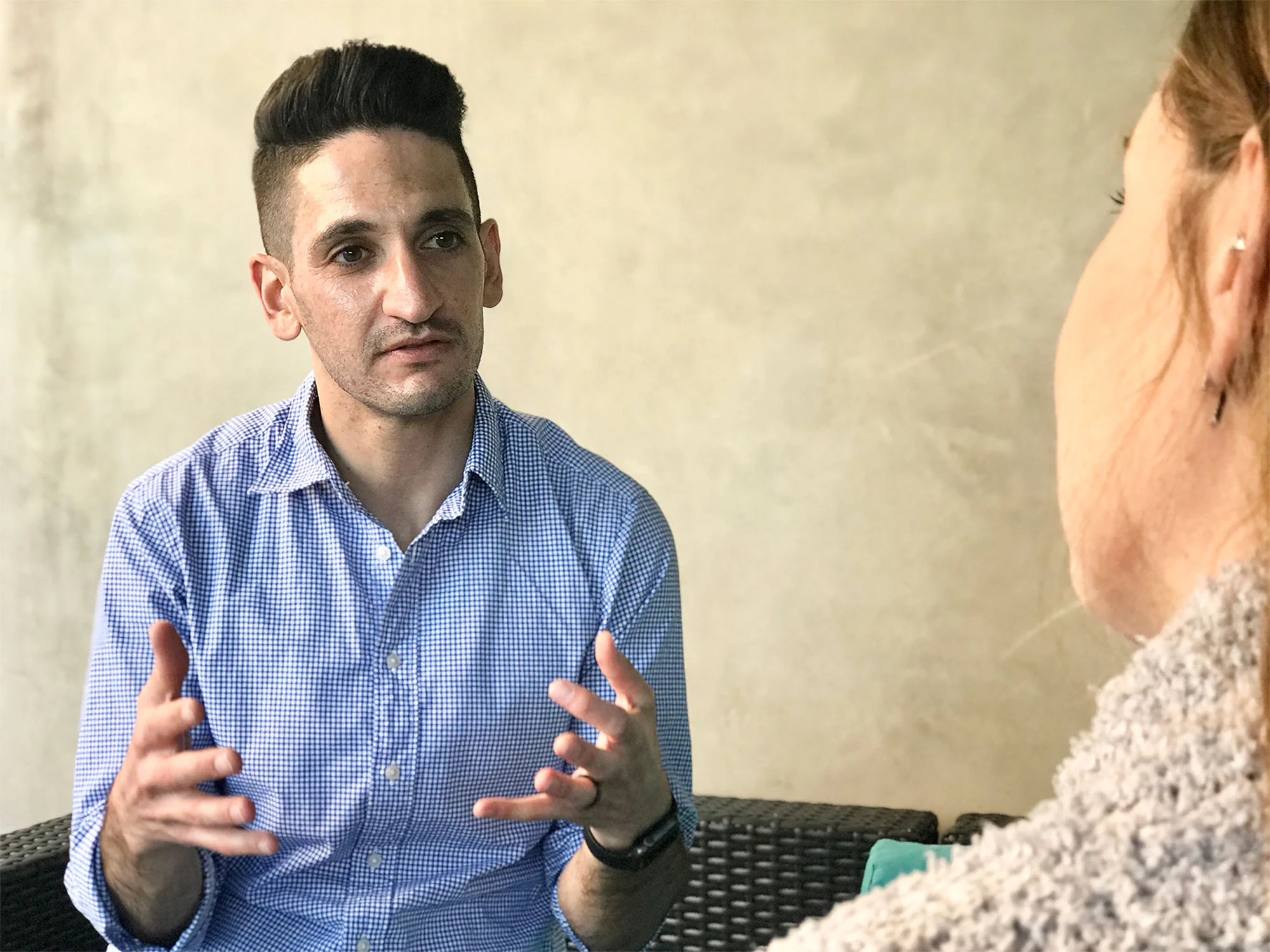
A variety of evidence-based individual therapy treatments are offered at COPE. Our providers are trained in a number of interventions that have been shown to be effective for a wide range of mental health conditions. Our providers are focused on taking these interventions and personalizing it to your specific concerns. For a sample of presenting concerns and treatments utilized at COPE see below, however, we encourage all prospective patients to contact us and inquire more as to whether COPE can meet your mental health needs.
FAQ
How Is Individual Therapy Tailored to My Personal Goals and Experiences?
Individual therapy starts with listening. Your therapist takes time to understand your goals, history, current stressors, and what feels most important right now. Therapy is shaped around your priorities rather than a preset agenda, and it adjusts over time as your needs change. The process stays collaborative, with regular check-ins to make sure the work feels relevant and supportive.
What Types of Concerns Can Individual Therapy Help With?
Individual therapy can support a wide range of concerns, including anxiety, depression, trauma, stress, relationship difficulties, life transitions, grief, burnout, and challenges with self-esteem or emotional regulation. Many people also come to therapy without a specific problem, but with a sense that something feels off or stuck. Therapy offers space to explore and address both defined issues and more general emotional strain.
Can Individual Therapy Help Me Understand Long-Standing Patterns in My Thoughts and Behavior?
Yes. One of the core benefits of individual therapy is identifying patterns that repeat over time, especially those that no longer serve you. These patterns often develop early and continue automatically. Therapy helps bring awareness to them, understand where they came from, and explore new ways of responding that feel more intentional and aligned with your values.
How Long and How Often Do People Attend Individual Therapy?
Frequency and length vary depending on goals, needs, and life circumstances. Many people begin with weekly sessions, then adjust as therapy progresses. Some work in therapy for a shorter period around a specific concern, while others choose longer-term support for ongoing growth. Your therapist will regularly revisit pacing with you to ensure therapy feels balanced and sustainable.
How Do You Measure Progress in Therapy?
Progress is measured in several ways. This can include changes in how you feel day to day, how you respond to stress, shifts in thinking patterns, improved relationships, or increased emotional flexibility. Progress is not always linear, and therapists pay attention to both subtle and noticeable changes. Ongoing reflection helps ensure the work continues to move in a helpful direction.
Will I Have Tools or Skills to Practice Between Sessions?
Often, yes. Many therapists offer tools or exercises that support what is discussed in session. These may include reflection practices, coping strategies, or skills related to emotional regulation, communication, or stress management. The goal is to help therapy extend into daily life in practical and manageable ways.
How Does Individual Therapy Work With Different Approaches Like CBT, DBT, or ACT?
Therapists often integrate multiple approaches based on what fits best for you. Cognitive Behavioral Therapy focuses on thought and behavior patterns, Dialectical Behavior Therapy emphasizes emotional regulation and coping skills, and Acceptance and Commitment Therapy centers on values and psychological flexibility. Your therapist may draw from one or more approaches as needed, rather than limiting therapy to a single model.
Is Individual Therapy Effective for Emotional Regulation and Stress Management?
Yes. Individual therapy can be very effective in helping people better understand their emotional responses and develop healthier ways to manage stress. Therapy supports learning how to recognize emotional signals earlier, respond with more balance, and recover more quickly after stressful situations. Over time, many people experience greater emotional steadiness and resilience.
Can Adults Start Individual Therapy Without a Diagnosed Mental Health Condition?
Absolutely. A diagnosis is not required to begin therapy. Many adults seek individual therapy for personal growth, life transitions, relationship concerns, or ongoing stress. Therapy is a resource for understanding yourself better and improving quality of life, not only for addressing diagnosed conditions.
What Should I Bring or Prepare for My First Individual Therapy Session?
You do not need to prepare anything formal. It can be helpful to think about what brought you to therapy and what you hope might change, but it is also okay to arrive unsure. Your first session is a conversation focused on understanding your needs and beginning to build a comfortable, supportive working relationship.
Mental Health Concerns
- Difficulty managing mood
- Excessive substance use
- Past trauma
- Stress
- Low self-esteem
- Anger problems
- Existential crises
- Job burnout/Life burnout
- Attachment issues
- Feeling of emptiness
- Interpersonal problems
- Fear of rejection
- Grief
Diagnoses
- Substance Use Disorders
- Post-Traumatic Stress Disorder
- Adjustment Disorder
- Major Depressive Disorder
- Persistent Depressive Disorder
- Generalized Anxiety Disorder
- Panic Disorder
- Social Anxiety
- Obsessive-Compulsive Disorder
- Borderline Personality Disorder
- Narcissistic Personality Disorder
Treatments Provided
- Cognitive Behavioral Therapy
- Acceptance and Commitment Therapy
- Dialectical Behavior Therapy
- Psychodynamic Therapy
- Motivational Interviewing
- Mindfulness-Based Interventions
- Exposure and Response Prevention
- Cognitive Processing Therapy for Trauma
- Prolonged Exposure for Trauma