

COUPLES THERAPY
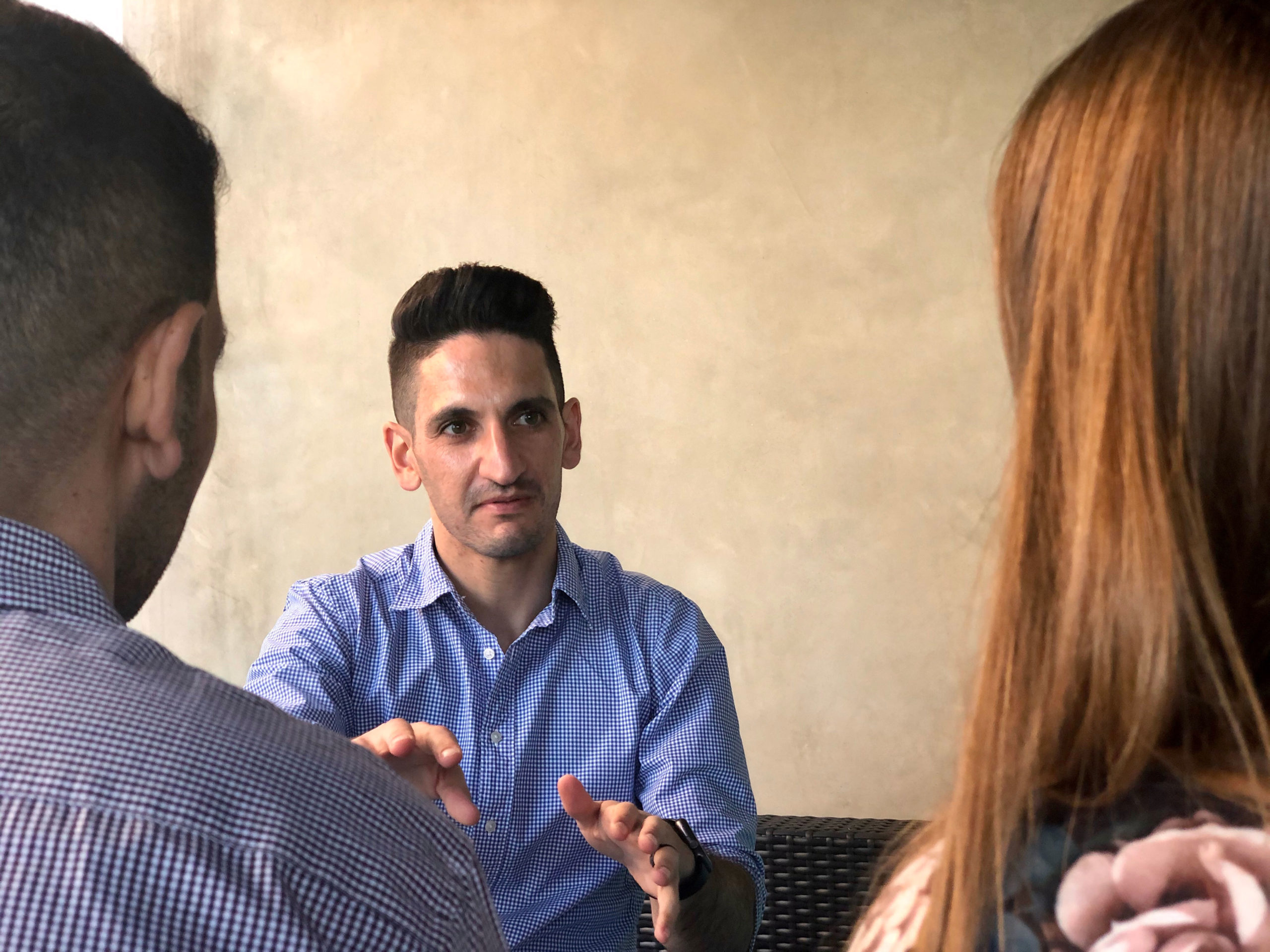
What is Couples Therapy?
Couples therapy can be helpful to couples dealing with crises (e.g. infidelity, parenting stress) in addition to couples who are hoping to proactively work on concerns they have noticed arise in their relationship. For example, many couples hope to work on their communication prior to marriage or want to clarify their parenting goals prior to giving birth/conceiving. To talk more about your specific goals and how COPE can be helpful, contact us below.
Couples Therapy Goals
Although many come to couples therapy with the goal of changing their partner, our overall goal is to help each partner express their unique perspective, help gain greater perspective of their partner’s experience, and to change the pattern of communication that often leads to difficulties in the relationship. Collaboratively, we work towards creating a DEEP understanding of the relationship.
What treatments are there for couples?
Although there are several evidence-based couples therapy interventions, providers at COPE largely operate from an Integrated Behavioral Couples Therapy perspective where the fundamental assumption is that “Differences are not deficiencies.” Every relationship has some natural differences between its members. For example, often times there is one individual who is a saver while the other is a spender. Or one individual is more emotional while the other is more logical. From our perspective, these differences that occur in relationships are natural and are not the cause of problems in a relationship, but it is the pattern of communication that develops as a result of these differences.
•Differences
What are some of the natural differences in the relationship? (e.g. “I want to save money for our future and all he/she wants to do is spend it.”
• Emotional reactions/sensitivities
What are some of the reasons that make “these” particular situations so triggering for you? (e.g. “My parents cheated on each other.”)
• External circumstances/stressors
What are some external factors that contribute to the present difficulties in the relationship? (e.g. “I lost my job.”)
• Pattern of interaction
What is the pattern of communication that contributes to some of the difficulties? (e.g. “When I ask questions, he/she dodges them.”)
FAQ
How Does Couples Therapy Differ From Family Therapy?
Couples therapy focuses on the relationship between two partners and the patterns that shape connection, communication, and conflict. Family therapy looks at dynamics across a broader family system, which may include parents, children, or other caregivers. The goals and structure of sessions shift depending on who is involved and what relationships are being addressed.
What Kinds of Relationship Issues Do You Address in Couples or Family Therapy?
Therapists work with concerns such as ongoing conflict, communication breakdowns, trust issues, emotional distance, parenting stress, life transitions, and changes related to health, work, or recovery. Therapy also supports families navigating grief, separation, or shifting roles. Many people seek therapy before issues feel unmanageable, using it as a space to strengthen connection and understanding.
Do Both Partners Need to Attend Every Session?
Not always. While many sessions include both partners, therapists may occasionally meet individually when it supports the work. This is discussed openly and used intentionally. The goal is always to support the relationship rather than create imbalance or secrecy.
How Do Therapists Help Improve Communication and Understand Conflict Patterns?
Therapists help couples and families slow interactions down so patterns become clearer. This includes identifying triggers, emotional responses, and unspoken expectations that fuel conflict. Sessions focus on helping people feel heard, understand each other’s experiences, and respond with greater awareness rather than reacting automatically.
What Happens If Only One Partner Wants to Come to Therapy?
It is common for one person to feel ready before the other. In these cases, therapy can still be helpful. Individual sessions can focus on understanding your role in relationship patterns, building communication skills, and clarifying needs. Many partners become more open to participating once they see changes in the relationship dynamic.
How Long and How Often Do People Attend Couples or Family Therapy?
Frequency and length vary based on goals, schedules, and the complexity of concerns. Many couples or families begin with weekly or biweekly sessions and adjust over time. Some attend therapy short term to address a specific issue, while others continue longer to support ongoing change and stability.
How Do You Measure Progress in Couples or Family Therapy?
Progress is measured through changes in interaction patterns, emotional understanding, and the ability to navigate conflict more constructively. This may include fewer escalations, quicker repair after disagreements, improved trust, or a stronger sense of connection. Therapists regularly check in to ensure therapy is moving in a helpful direction.
Do Therapists Work With Blended or Chosen Families Too?
Yes. Therapy is inclusive of blended families, stepfamilies, and chosen families. Therapists recognize that family structures vary widely and work to understand each family’s unique dynamics, values, and needs without assuming a single definition of family.
What Is Integrative Behavioral Couples Therapy and How Is It Different From Other Models?
Integrative Behavioral Couples Therapy focuses on helping partners understand and accept each other’s emotional experiences while also supporting meaningful change. It combines emotional understanding with practical strategies for navigating conflict. Rather than focusing only on skills, IBCT emphasizes empathy, shared meaning, and emotional connection as drivers of change.
How Do Therapists Support Healing After Major Relationship Transitions?
Major transitions such as separation, reconciliation, parenthood, illness, or recovery can unsettle even strong relationships. Therapists help couples and families process emotions, rebuild trust, and adapt to new roles and expectations. Therapy offers a steady space to move through change with intention rather than reacting to stress or loss.