

Trauma-Informed Care That Feels Safe Enough To Heal
Trauma-informed care starts with one simple promise: you will not be shamed for how you learned to survive. Many people come to therapy already bracing for judgment, or worried they will be pushed to talk about things they are not ready to share. At COPE Psychological Center, trauma-informed care shapes how we listen, how we ask questions, and how we move at your pace. Healing grows much stronger when you feel safe, informed, and truly in the driver’s seat.
What Trauma-Informed Care Really Means
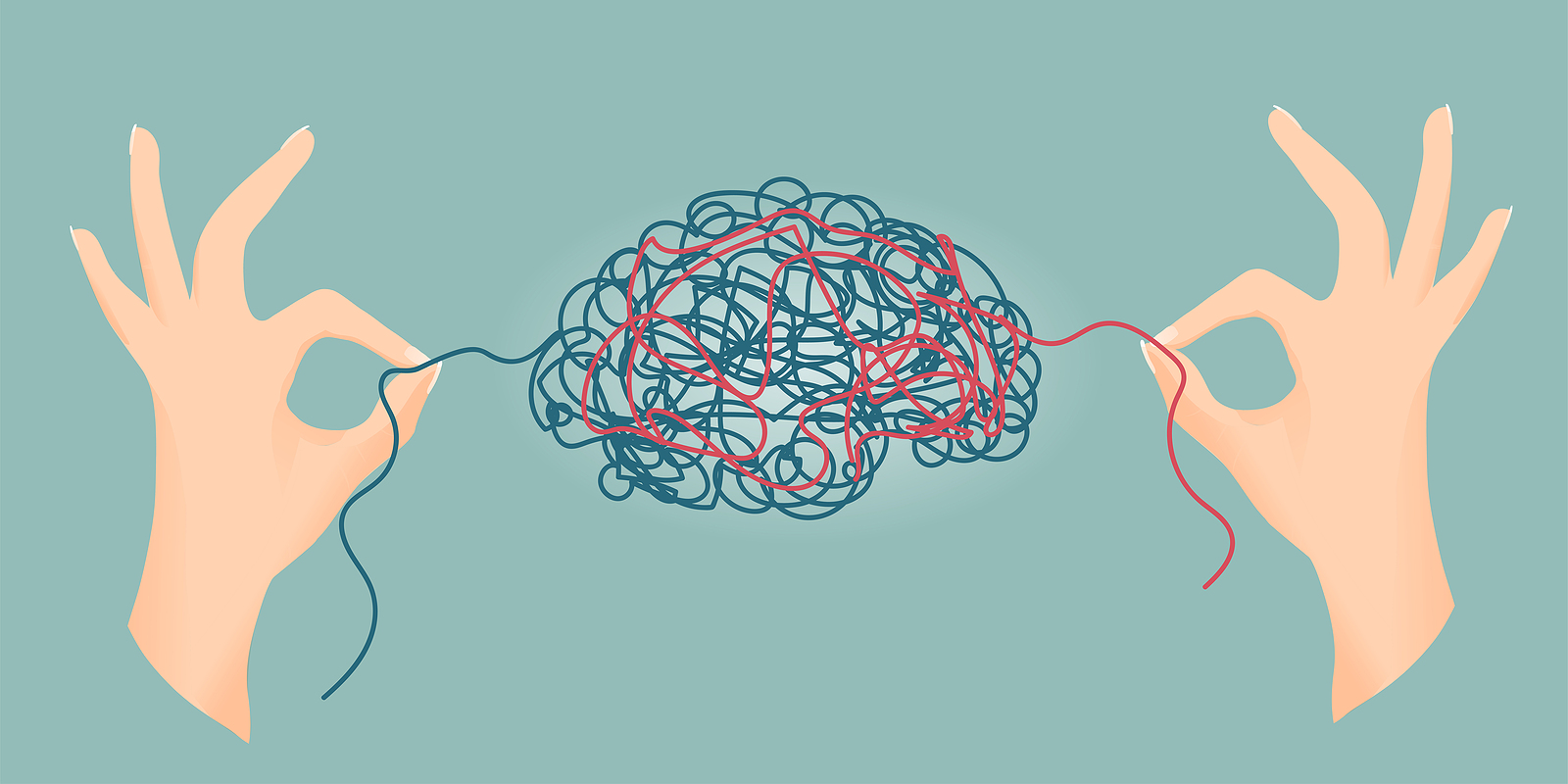
Trauma-informed care is less a single technique and more the lens through which everything else happens. Instead of asking “What is wrong with you?” the focus shifts to “What happened to you, and how did you get through it?” That change in focus matters, because many trauma survivors have spent years feeling blamed for their symptoms. In trauma-informed care, your reactions, coping strategies, and even the parts you are not proud of are seen in context.
This approach rests on a handful of core ideas: safety, trust, collaboration, choice, and empowerment. Safety does not only mean a comfortable office and a kind therapist, though those help. It also means no surprises in session, clear explanations of what is happening and why, and the chance to say “no” or “not yet” without pressure. Over time, trauma-informed care rebuilds a sense of control that trauma once took away.
Why Trauma-Informed Care Matters
Trauma does not live only in memories. It shows up in the nervous system, in relationships, at work, and in the body. Someone might feel on edge all day, struggle with sleep, or shut down in conflicts without fully knowing why. Trauma-informed care notices these patterns and treats them as clues, not character flaws. You are not “too sensitive” or “overreacting,” you are doing your best with a system that had to adjust to overwhelming experiences.
When therapy is not grounded in trauma-informed care, people can leave sessions feeling exposed, misunderstood, or even re-traumatized. That is the opposite of what anyone needs. When it is present, clients often say things like, “I finally feel like someone gets it,” or “I do not feel crazy anymore.” That sense of being understood is not a side effect, it is part of the treatment.
How Trauma-Informed Care Shows Up From Day One
You can feel trauma-informed care from the very beginning, even before the first appointment. The initial paperwork, the intake questions, and the way your story is invited all matter. Instead of racing through a checklist, a trauma-informed therapist will slow down where needed, ask permission before sensitive questions, and acknowledge that sharing certain details can be draining.
In early sessions, the pace is collaborative. You and your therapist decide what feels doable and what feels like too much. You might spend time building emotional safety and stability before touching any specific trauma memories. At COPE, we often use individual therapy to gently establish coping skills and grounding practices first. That way, if a difficult memory or body sensation surfaces later, you already have tools in your pocket.
Trauma-Informed Care With Anxiety And Depression
Trauma-informed care is not only for people with a clear PTSD diagnosis. Anxiety and depression often grow from or are complicated by earlier painful experiences. Someone might have panic attacks in crowds after growing up in a chaotic home, or feel a deep sense of worthlessness rooted in emotional neglect. Trauma-informed care looks for these threads and treats anxiety and depression with that history in mind.
In practice, that can mean spending time mapping your triggers, your body cues, and the meanings you learned to attach to certain situations. Maybe raised voices instantly tighten your chest, or criticism at work sends you into a shame spiral. Once those patterns are named, you can start to understand them rather than fight them. Therapy then weaves symptom relief with compassion for the younger parts of you that had to cope alone.
Skills That Support Trauma-Informed Care
Trauma-informed care usually includes building a toolkit before digging into deeper work. Grounding techniques, breathing skills, and sensory strategies help keep you anchored when the past intrudes on the present. For example, learning to name five things you can see, four you can touch, three you can hear, and so on can pull you back from a flashback or intense wave of emotion. Simple, yes, but powerful.
Another key piece is learning to read your own nervous system. Many people discover they swing between hyperarousal (on edge, jumpy, angry) and hypoarousal (numb, shut down, disconnected). Trauma-informed care helps you notice where you are on that ladder in any given moment. From there, you and your therapist can practice ways to move gently toward a calmer, more connected state rather than getting stuck at the extremes.
Trauma-Informed Care Inside Structured Therapies
At COPE Psychological Center, trauma-informed care shapes how we use structured, evidence-based treatments rather than forcing everyone through the same template. For clients ready for more focused trauma work, we offer trauma-focused approaches in a way that always keeps consent and pacing front and center. That might include therapies like cognitive processing or exposure-based work, but only when the foundation feels steady enough.
Sometimes, we first use anxiety or mood-focused approaches through cognitive behavioral therapy or acceptance-based methods, and only gradually shift toward more direct trauma processing. Trauma-informed care helps us decide together which track makes sense. There is space to slow down, repeat steps, or change plans if you hit a rough patch.
Honoring The Whole Person
One of the gifts of trauma-informed care is that it honors all the different parts of your life, not only the worst things that happened. Your strengths, identities, cultural background, and values come into the room too. That matters for safety. A veteran, a new parent, and a queer college student might all carry trauma, but what feels supportive or triggering for each person can differ a lot.
In our work, we pay attention to power dynamics and lived experience. If you have had harmful encounters with past providers, systems, or authority figures, that history belongs in the conversation. Trauma-informed care does not require you to leave those experiences at the door. Instead, they guide how we earn trust and how we repair if something in therapy feels “off.”
Trauma-Informed Care Includes The Body
Trauma lives in the body as much as it lives in memory. People notice chronic tension, stomach issues, headaches, or a sense of being frozen. A trauma-informed approach looks at these symptoms as part of the story, not random glitches. Gentle body-based practices, like tracking sensations, stretching, or coordinating breath with movement, can slowly bring those pieces into awareness in a safe way.
You are always in charge of what is tried. If a practice feels uncomfortable, we adjust. If something helps even a little, we build around it. The goal is not to “fix” you, but to help your mind and body remember what safety and connection can feel like again.
Finding Trauma-Informed Care At COPE
If you are curious about trauma-informed care but unsure where to start, you are not alone. Many people google “trauma therapist” or “trauma therapy near me” and feel lost in the search results. COPE Psychological Center makes that first step less stressful by helping you match with a psychologist near you who understands trauma work and values collaboration.
During your first meetings, we talk openly about what you want from therapy, what you fear might happen, and what has or has not helped before. This conversation is part of the treatment, not a formality. Over time, trauma-informed care can soften hypervigilance, ease emotional whiplash, and strengthen your sense that you deserve gentle, reliable care.
Your Healing, Your Pace
If you are ready to explore trauma-informed care with people who truly get what that means, reach out to COPE Psychological Center today. Use our contact page to send a quick message and we will help you find a path forward that honors your story.